
Composite Slate vs. Traditional Slate: A Comprehensive Comparison


Introduction
When it comes to roofing materials, the choice between composite slate and traditional slate is a decision many homeowners face. Each has its own set of benefits and drawbacks, affecting both aesthetics and functionality. Understanding these differences can help you make an informed decision.
In this comprehensive comparison, we will explore the key aspects of composite and traditional slate, from durability to cost, to help guide your roofing project.
Durability and Longevity
Composite Slate
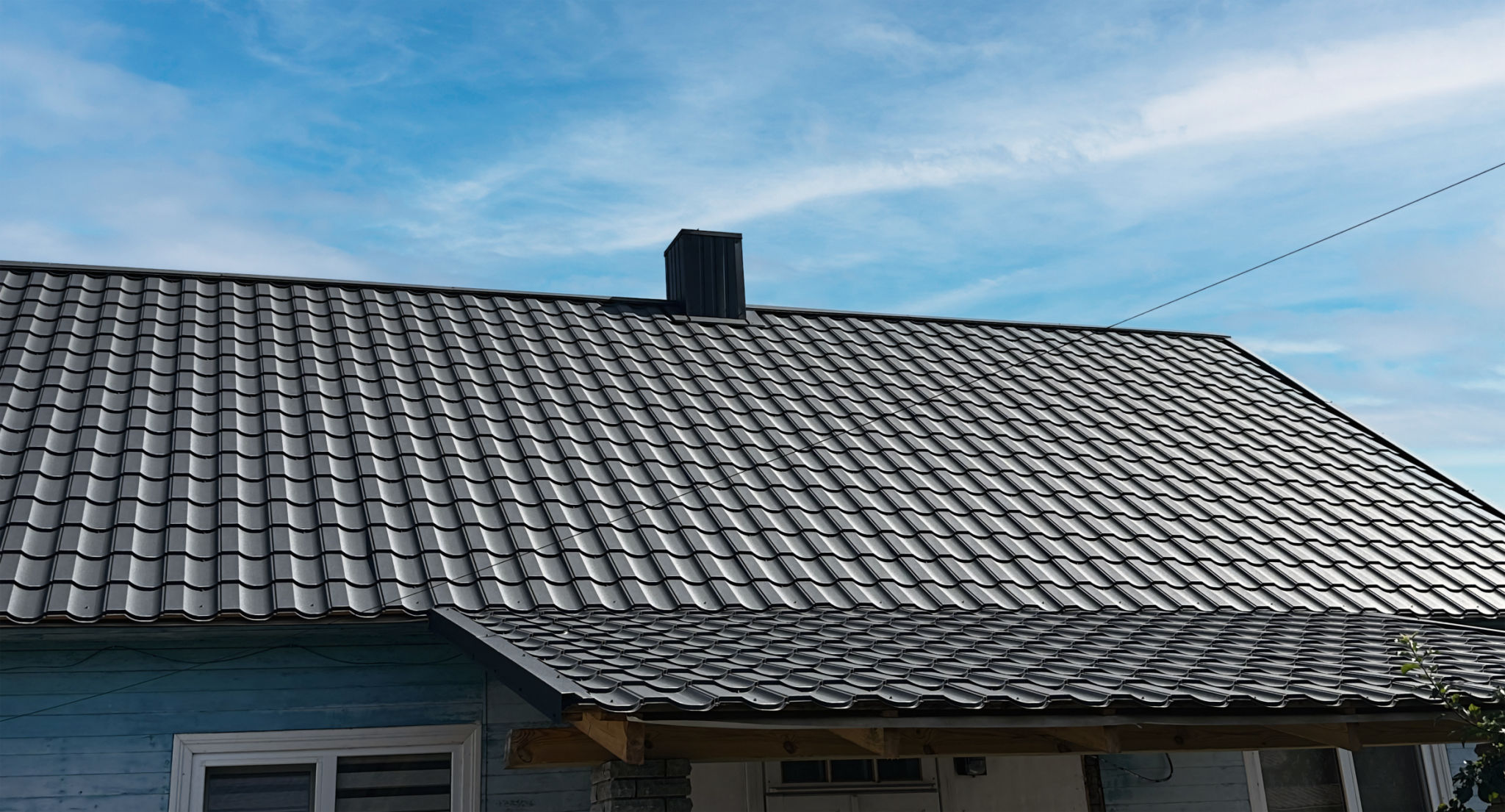
Composite slate is engineered to mimic the appearance of natural slate while offering enhanced durability. Made from a blend of polymers, rubber, and other materials, composite slate is designed to withstand harsh weather conditions, including heavy rain and snow. It is resistant to cracking and chipping, which can be a common issue with natural slate.
Traditional Slate
Traditional slate, quarried from natural rock, is renowned for its long lifespan. When properly installed and maintained, a slate roof can last over a century. However, it is susceptible to damage from severe weather and requires regular maintenance to preserve its integrity.

Cost Considerations
The cost of roofing materials is a significant factor for many homeowners. Traditional slate is known for its elegance and high-end appeal, but it comes with a hefty price tag. The expense includes both the material and the specialized labor required for installation.
On the other hand, composite slate offers a more budget-friendly alternative. While still more expensive than asphalt shingles, it provides the aesthetic of natural slate without the associated costs. Additionally, its lightweight nature can reduce installation expenses.

Environmental Impact
Composite Slate
Composite slate is often made from recycled materials, making it an environmentally friendly choice. Its production involves fewer carbon emissions compared to the quarrying of natural slate. Additionally, its longevity means less frequent replacements, reducing waste over time.
Traditional Slate
While traditional slate is a natural product, its extraction can be resource-intensive. The quarrying process can disrupt ecosystems and consume significant energy. However, natural slate is recyclable and can be repurposed after its life as roofing material.
Aesthetic Appeal
Both composite and traditional slates offer unique aesthetic qualities. Traditional slate provides a classic, timeless look that enhances the beauty of historic and luxury homes. Its natural variations in color and texture create a distinctive appearance.
Composite slate, while manufactured, closely mimics the appearance of natural slate and is available in a wide range of colors and styles. This versatility allows homeowners to customize their roof's appearance to suit their personal style and the architectural design of their home.
Conclusion
Choosing between composite and traditional slate involves weighing various factors, including cost, durability, environmental impact, and aesthetic preference. Both options have their merits, and the right choice depends on individual needs and priorities.
By understanding the differences outlined in this comparison, you can make a more informed decision that aligns with your roofing goals and budget. Whether you opt for the timeless elegance of natural slate or the innovative resilience of composite slate, both offer unique benefits that can enhance the beauty and functionality of your home.